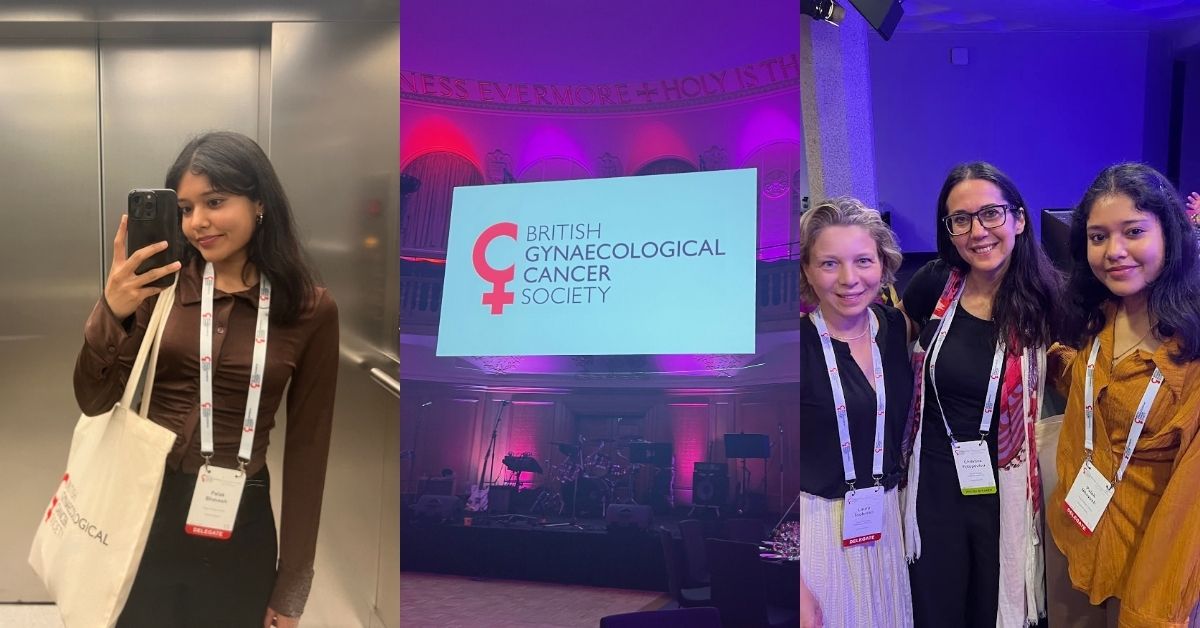
We recently caught up with In2careers member and In2research alumnus Palak Bhavesh, an aspiring cancer researcher who won a fully funded conference place through our Celebrate a Mentor competition. The competition, which was held by In2careers in partnership with global life sciences company Abcam, offered Palak the opportunity to attend the Annual Scientific Meeting of the British Gynaecological Cancer Society (BGCS). Hear about her STEM journey so far and the impact of her experience at the conference.
I have always been interested in Biomedical Science. I studied Pharmacology and Innovative Therapeutics at Queen Mary University of London and worked as a Pharmacy Assistant during my undergraduate degree.
I decided I wanted to pursue research while working in the pharmacy because I came across patients who were concerned about their health and adverse effects from their medication. I wanted to study how our body reacts to foreign antigens and how we can manipulate our immune system to combat diseases. So, I pursued a master’s degree in Immunology at King’s College London.
A quarter of the way through my degree, I knew I wanted to pursue a career in cancer research due to a very personal connection; my mother passed away from ovarian cancer. The truth is, I have always been afraid to learn about cancer because I did not want to know how the disease had hijacked my mum’s immune system. However, as I learned more about the disease and read the literature, I was motivated to be a part of cancer research.
This passion led me to apply for and participate in the In2research programme alongside my studies. It is a programme where young researchers like myself can receive mentoring, attend workshops and partake in an 8-week summer placement of your choosing. In my case, I investigated the role of collagen in primary breast cancer, post-radiotherapy.
After becoming an In2research alumnus, I joined In2careers, which is where I saw the ‘Celebrate a Mentor’ competition advertised. I took this opportunity to tell my story in a video format, and you may have already guessed who I chose as my mentor – my mum. I enjoyed creating slides of how my mum supported my STEM journey through my achievements, failures and resilience. I was hoping to win the competition because I was interested to learn specifically about gynaecological cancers and to meet world-renowned professors who have made a difference in this field. After learning about the disease and understanding its cell biology, clinical implications and how cancer research is advancing, I wanted to gain relevant experience.
I was ecstatic when I received the news that I won and was able to attend the Annual Scientific Meeting of the British Gynaecological Cancer Society (BGCS) Conference in July. As someone who wants to pursue a PhD in gynaecological cancers, this was a great opportunity to network and expand my knowledge in different areas of this field.
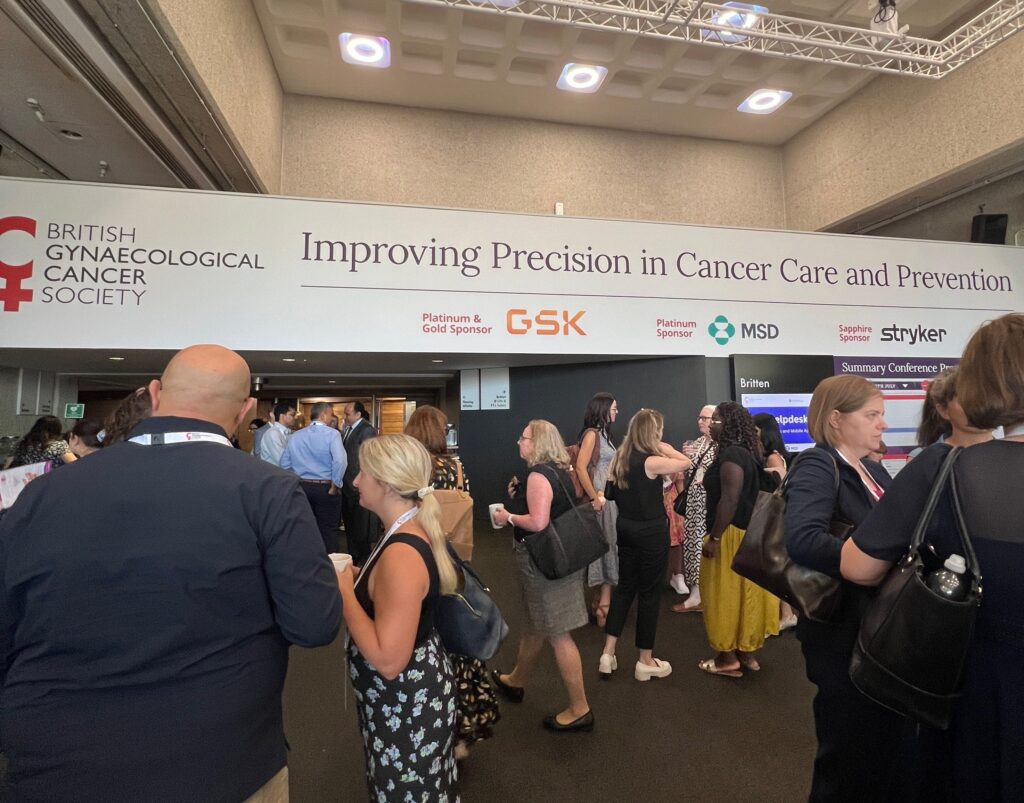
I attended all three days of the BGCS conference:
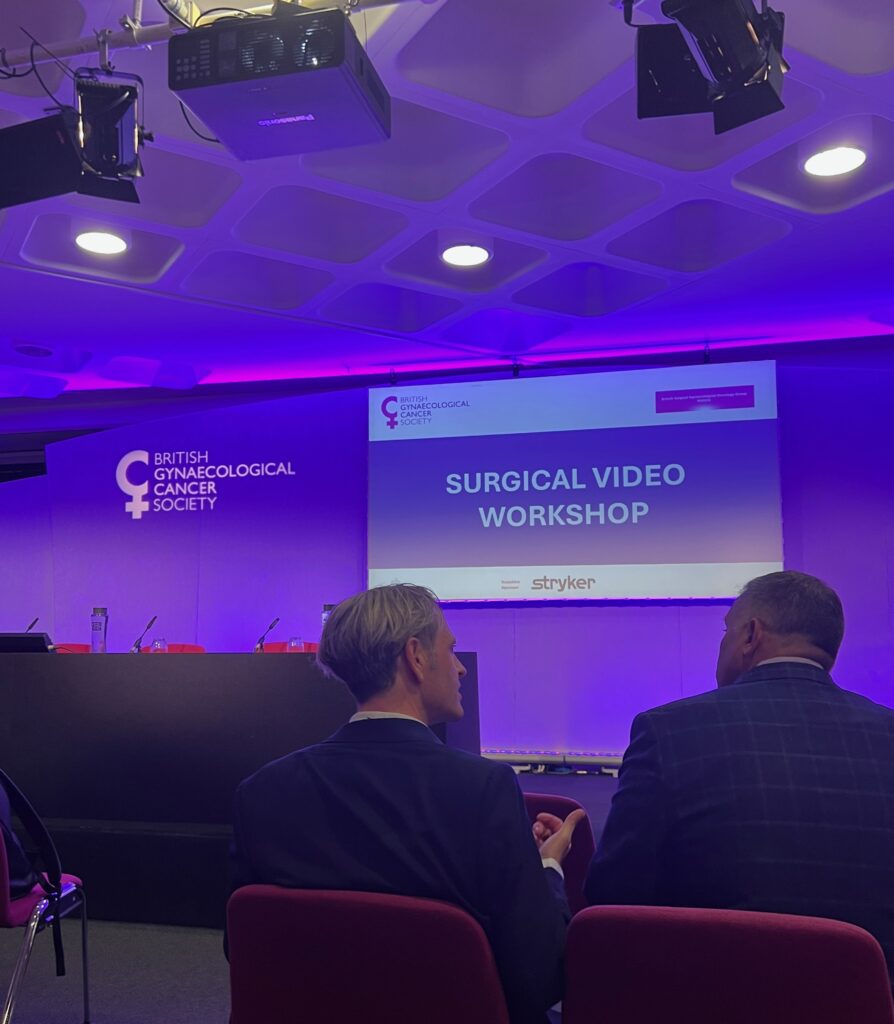
Day 1: Surgical video workshop and networking
I must admit on my first day, I was quite timid, as I was surrounded by clinicians, junior doctors and professors from all over the world. However, the organiser Professor Ranjit Manchanda recognised my name tag and knew I emailed him before the event. He was very welcoming and friendly, and so I instantly became comfortable and started to network and learn about everyone’s research and their profession.
I attended the surgical video workshop, where scientists and doctors demonstrated precision surgery in a range of gynaecological cancers. This ranged from targeting the sentinel lymph nodes to performing plastic surgery. It was a unique experience to see what happens in operation theatres and how the removed contents can be used for research afterwards.
Between video sessions, I took the opportunity to network. I met clinical fellows who were performing interesting research and provided advice on how to make my PhD application stand out. I also met collaborators such as GSK, who are currently performing clinical trials using a novel drug called dostarlimab in endometrial cancers. It was a great start to the conference!
Day 2: Lecture series and dinner conference
On the second day, I attended some fascinating lectures given from various universities. Some of which I recognised through reading the literature and some who I have met in hospitals, when my mum was undergoing treatment. These lectures covered lymphatic mapping, sentinel lymph node detection and the combination of fluorescent imaging and AI technology in cancer surgery.
There were also debates between experts, who discussed if there is a role in minimal access approach within advanced cytoreductive and exenterate surgery. It was amazing to learn and discuss different perspectives of surgery that can advance care and overall survival outcomes for women with gynaecological cancers.
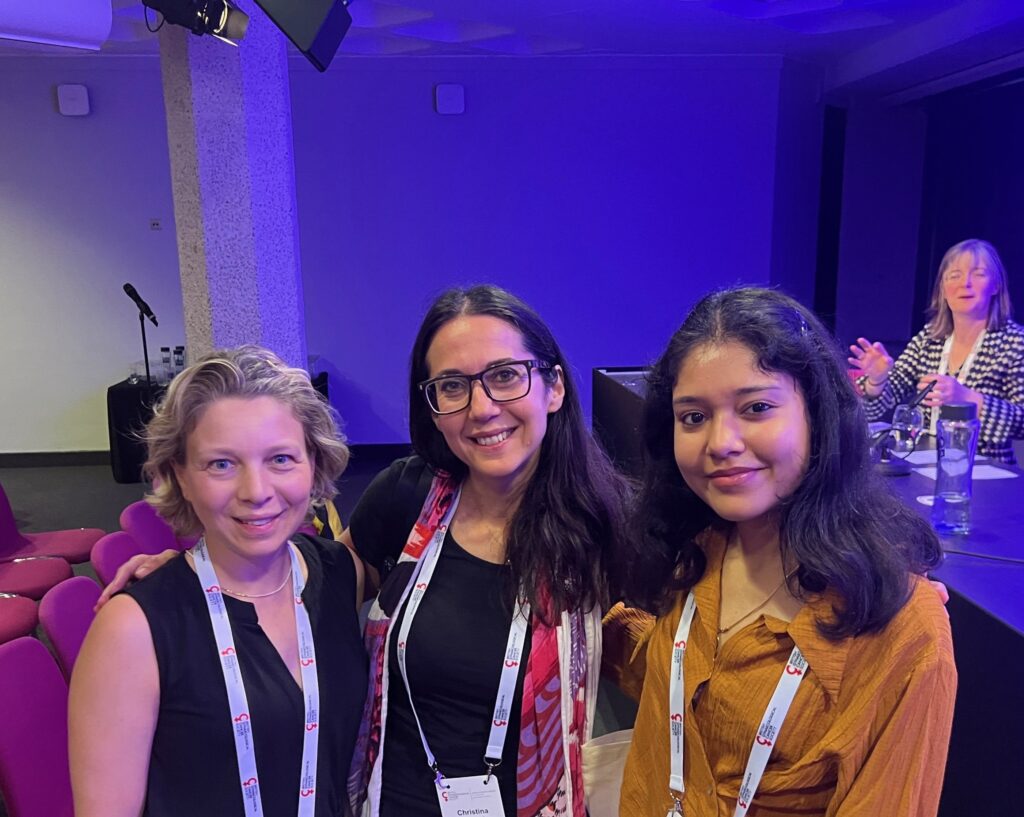
During the conference dinner in the evening, I had the opportunity to connect with junior doctors working in obstetrics and gynaecology and gain an insight into their day-to-day lives and future aspirations. It was fascinating to understand medicine and surgery in cancer from their perspective, and our conversations made me appreciate their passion that advances patient care.
I also asked senior clinicians about their STEM journey and what they have accomplished along the way. It was refreshing to know that everyone goes through failures, and that those experiences really help to build resilience. It definitely boosted my confidence to apply to PhD programmes in September.
Day 3: Personalised medicine and a Q&A
The final day focused on personalised medicine, novel therapies and supportive care, especially in ovarian and cervical cancers. The lectures covered preventative strategies such as vaccines and radiotherapy.
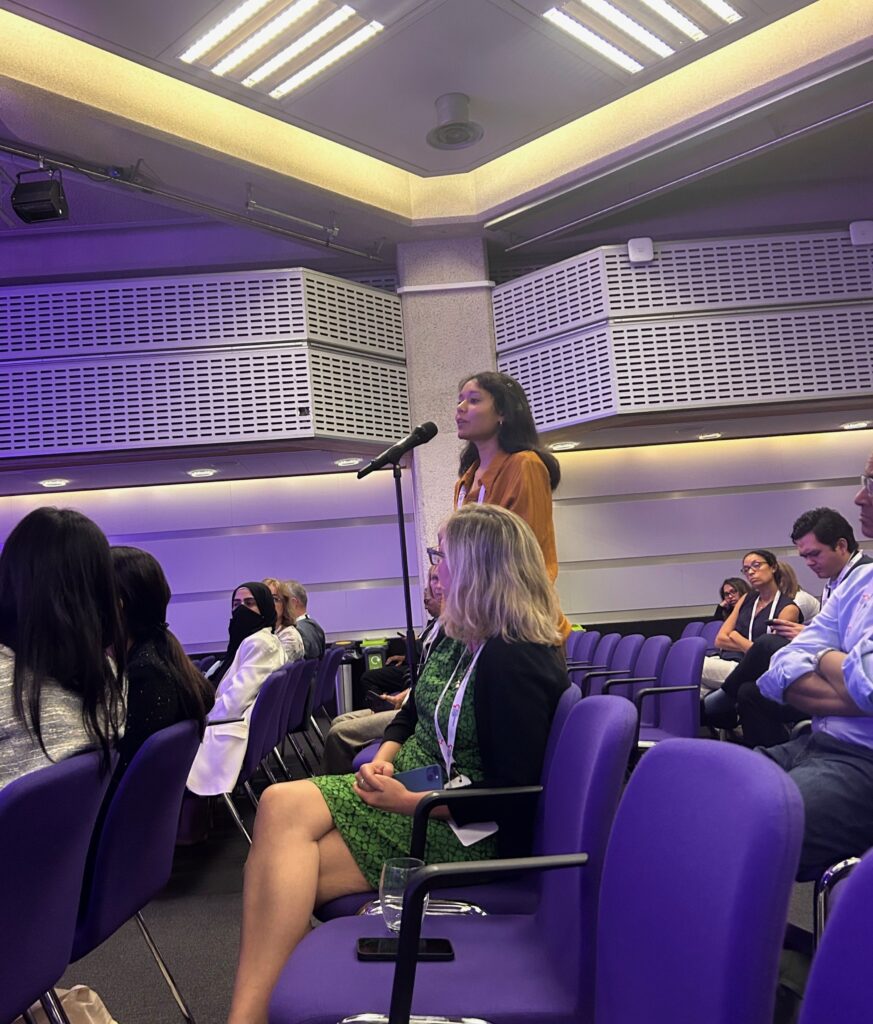
Professor Ahmed from the University of Oxford gave a lecture on how the OvarianVax vaccine can prevent ovarian cancer cells from metastasising to other areas in the body. This would ultimately reduce recurrence rate in women with High Grade Serous Ovarian Cancer. I summoned the courage to ask him in front of the audience if the antigens were extracted from women who have the EMT subtype of ovarian cancer. I was recognised by his supportive charity Ovarian Cancer Action and they gave me an opportunity to connect with the rest of Professor Ahmed’s team. This will be beneficial for the future, particularly if there are any opportunities to work in his laboratory and improve on my research skills.
Overall, I found the conference incredibly insightful and inspiring. I learned about the new advances of precision medicine in gynaecological cancers and discussed the latest research with various professors. It was also refreshing to gain a new perspective of cancer research in order to advance personalised care in women’s health.
I am grateful to the In2scienceUK team, particularly Danielle Knight and Ciara Byrne, for empowering young researchers to seize opportunities that can advance in their research career. I also want to say thank you to Sarah Bolt and her team at Abcam for organising this competition with In2careers and funding my choice of conference. It has helped me tremendously to move one step closer to my goal of pursuing a PhD in cancer research.